India’s indirect tax system is entering a landmark new phase. The GST Reform Bill (popularly called GST 2.0), cleared by the GST Council, will roll out from September 22, 2025, just ahead of the festive season. This marks the biggest overhaul since GST was first introduced in 2017.
Why such a big change? Over the years, the multiple slab structures 5%, 12%, 18%, and 28% became difficult to manage. Businesses often struggled with classification disputes (is a chocolate-coated biscuit taxed at 18% or 28%?), while consumers faced uneven pricing on daily items. Economists repeatedly flagged that India needed a simpler, cleaner system.
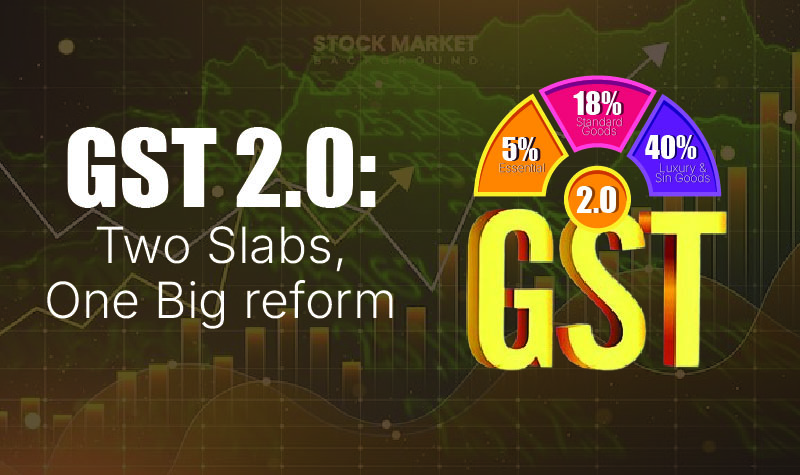
The new GST reform finally addresses that. With only three slabs (5%, 18%, and 40%), the government aims to reduce complexity, lower consumer costs in essential categories, and make the tax system more predictable. In the process, it is expected to give a push to demand, ease inflationary pressure, and create a fairer balance between necessities and luxury.
Key Changes at a Glance: New GST Rates
Here’s what’s changing in clear terms:
Old Structure
5%, 12%, 18%, and 28%
New Structure
5% (essentials), 18% (standard goods and services), and 40% (sin and luxury goods)
This means that the messy middle ground, the 12% and 28% slabs, is gone. Products once taxed at those rates will now either slide down to 5% or 18%, or move up to 40% depending on their category.
Why are New GST Rates Important?
For businesses, fewer slabs mean simpler invoicing, fewer classification disputes, and smoother compliance.
For consumers, it reduces confusion about why similar products are taxed differently, and it ensures that essentials don’t get taxed at unfairly high rates.
For the government, it balances relief on essentials with higher taxes on items that are harmful or luxury-driven, keeping revenue largely stable.
**Want a refresher on how India’s tax system works overall? Check out our guide: ABC of Taxation in India
What Gets Cheaper From September 22 Under GST 2.0
One of the big promises of GST 2.0 is consumer relief. Several items that are part of everyday household spending or middle-class aspirations are moving into lower tax brackets and will become cheaper starting from September 22, 2025.
Some examples include:
Food & household items: Packaged food products, soaps, and juices now attract a 5% rate, easing monthly grocery budgets.
Medicines & health products: With lower GST, essential medicines, life insurance premiums, and health insurance will become more affordable. This could widen coverage and access to healthcare.
White goods: Refrigerators, washing machines, air-conditioners, and other appliances will now be taxed at 18% instead of higher rates. This makes big-ticket household purchases easier for middle-class families.
Automobiles & mobility: Small cars, bicycles, auto parts, and even EV-related components are expected to fall in the 18% bracket, potentially boosting demand in a sector that has struggled with high prices for years.
For households, this translates to direct savings on essentials and durable goods. For businesses, especially in FMCG and automobiles, the hope is a demand revival as consumers feel encouraged to spend.




(0) Comments: